

The Keepers: An Introduction to the Hands Behind This Table
Clara, Jesse, and Helen — the Indiana great-grandparents, the recipe boxes, and how The Hearth began

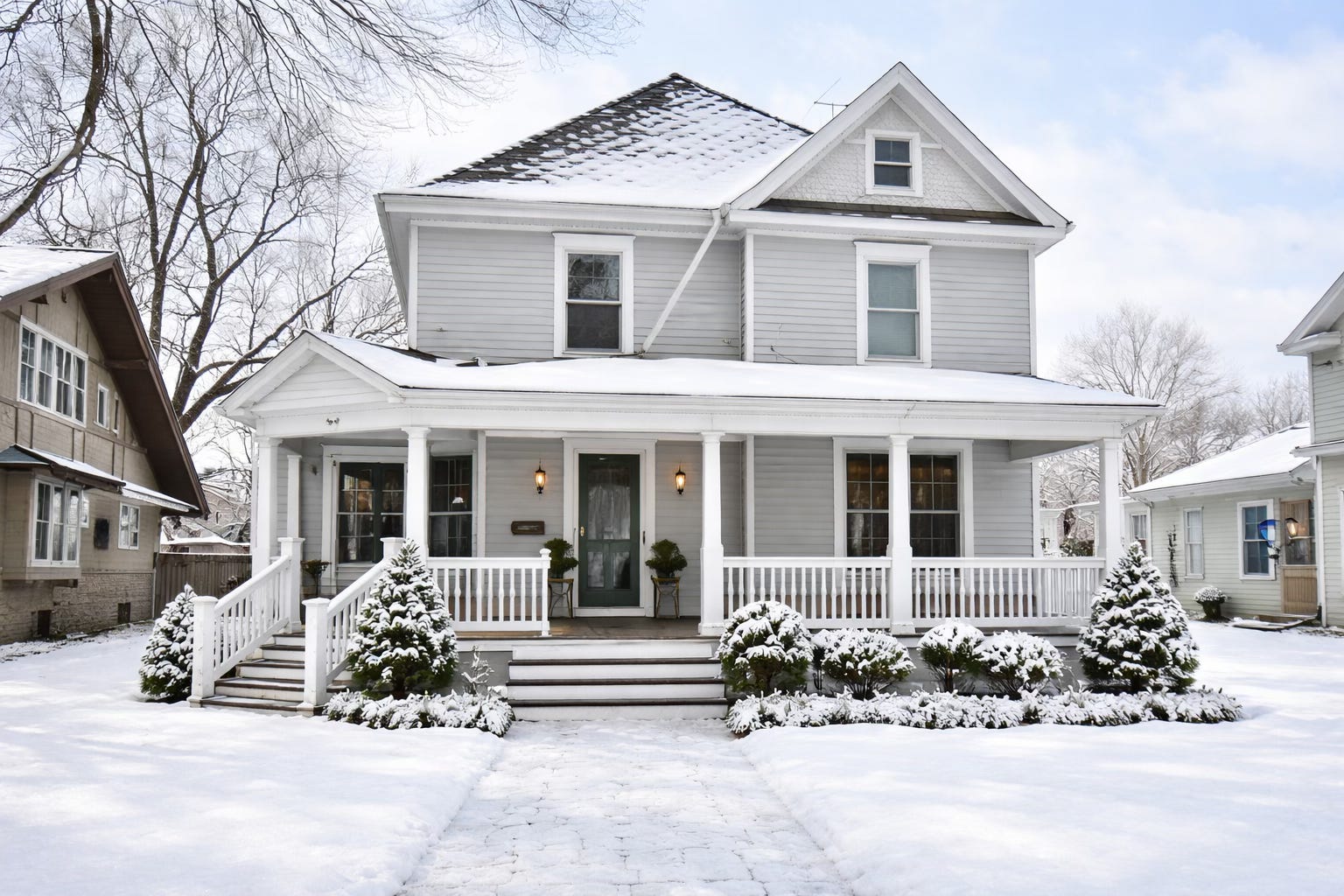
The Hearth is The Dinner Bell's ancestral recipe series — and this is where it begins.
There are three recipe boxes sitting in my kitchen.
My Uncle Eric had Clara’s recipe box. He had kept it carefully after my grandparents passed, holding onto the pieces of a life worth preserving. My Aunt Kathy had Helen Carnes’ recipe book. She gave it to me when I asked for that, too.
I didn’t know either of them existed until I asked. I think about that a lot. How close these came to simply disappearing. One conversation was the difference between having them and not. How many recipe boxes are still sitting in closets because nobody thought to ask?
I knew these people.
My parents brought us back to Indiana from the time we were babies until we were old enough to drive ourselves, and some things stay with you even when the details blur. The smell of a kitchen. The feeling of a house that has been cooked in for decades. The particular quality of attention that certain people bring to the act of feeding someone they love.
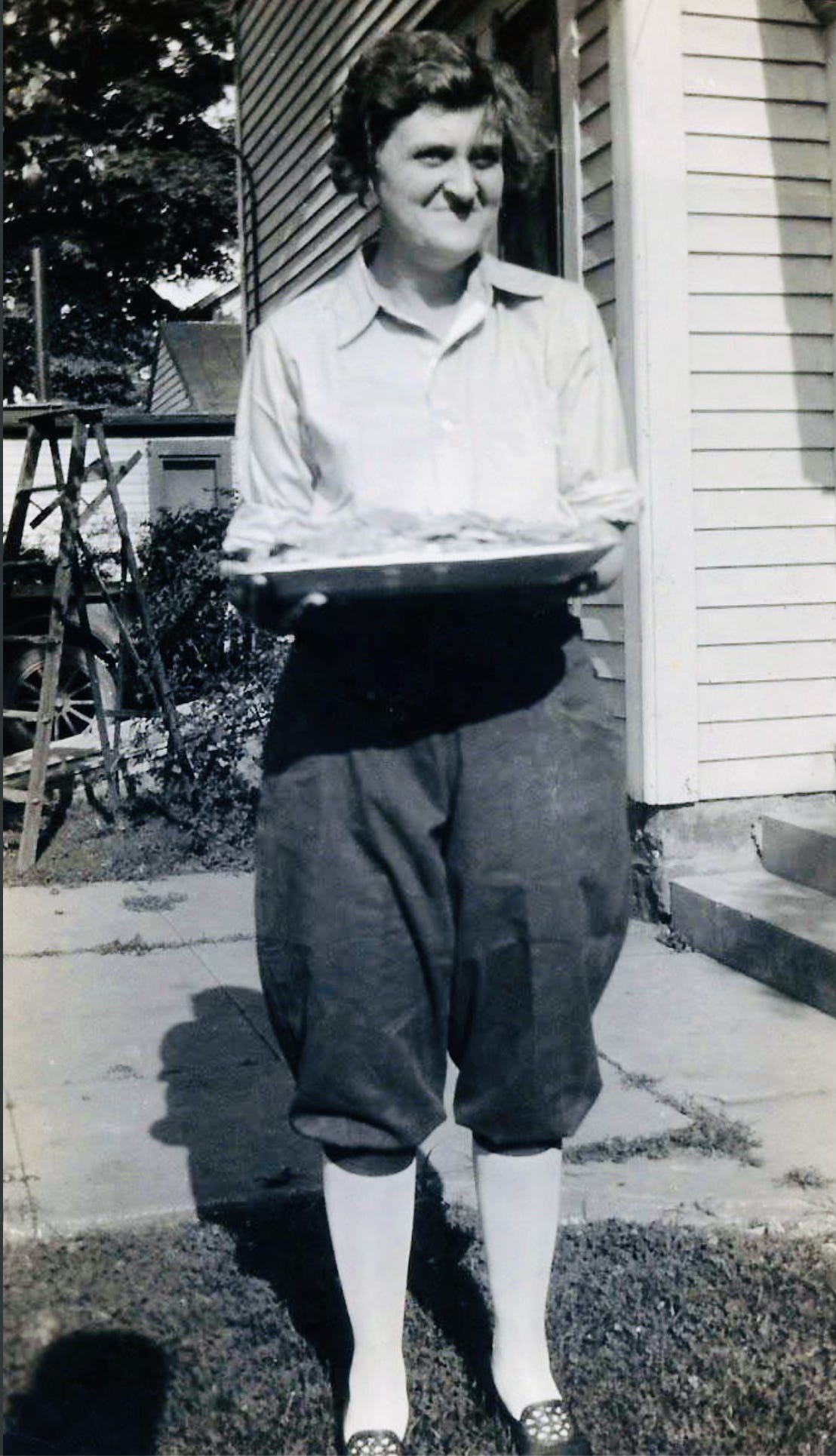
Clara Baker was born in 1897. She was an economics teacher, which tells you something about how her mind worked. She understood systems, value, the logic beneath the surface of things. But her real curriculum was the kitchen. Clara was a wonderful cook, and she made wedding cakes for other people’s most important days. Stories tall, my mother says. Her granddaughters, my mom Joy and my aunt Linda, would help my great-grandfather Jesse deliver them, navigating Indiana roads with something irreplaceable balanced in the back seat.
I think about the steadiness that must have required. Somehow, Clara knew, without question, that it was going to hold.
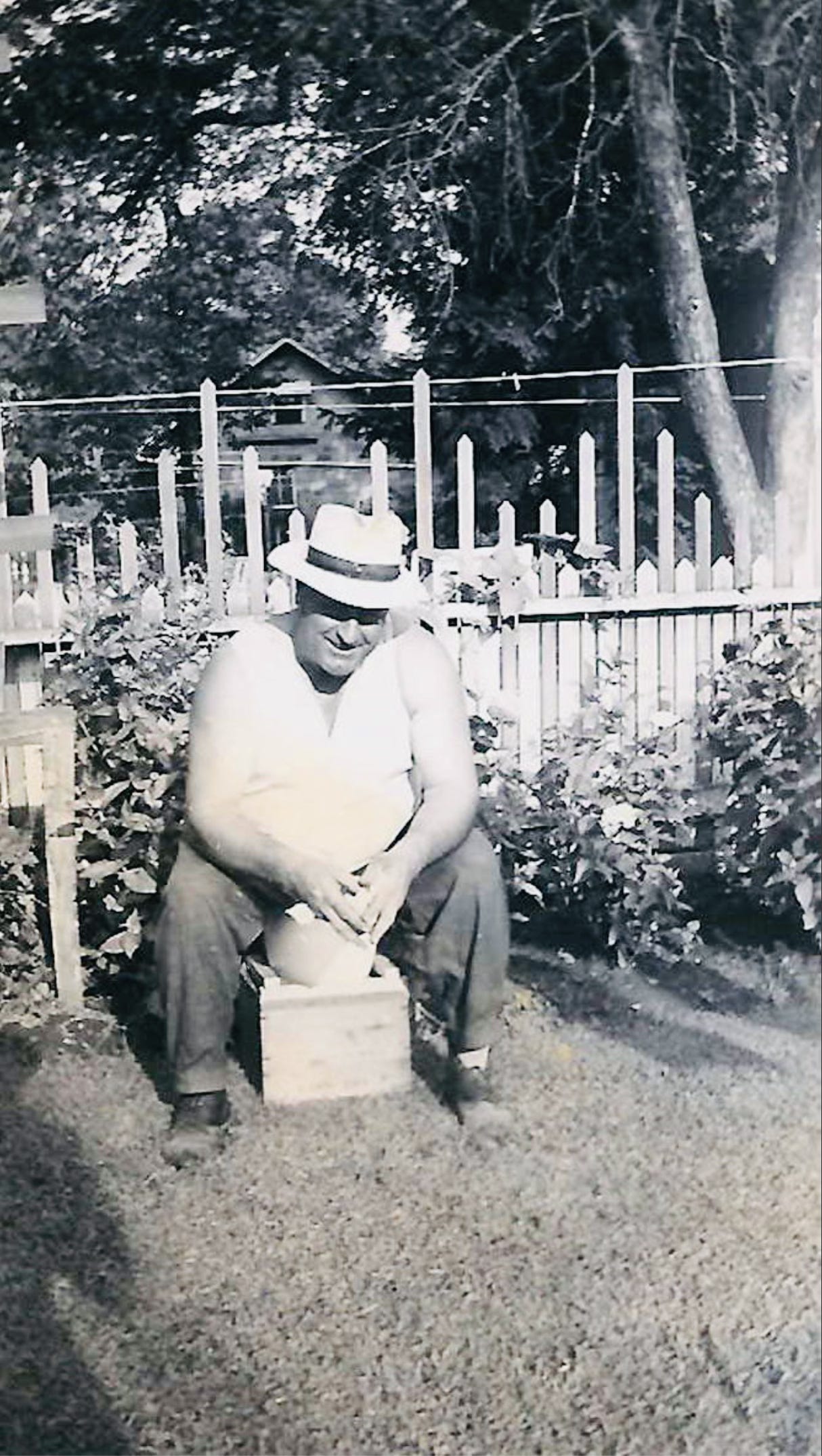
Jesse Baker was kind. That’s the word that comes down through the generations, and in my memory it’s true. He loved his garden the way some people love a good conversation — patiently, attentively, with the quiet pride of someone who understood that good things take time. The outdoor dishes were his specialty.
And he loved Coca-Cola. Loved it enough that when the grandchildren visited, all of us, across all the generations that came through that Indiana house, there was always a Coke waiting. It was his way of saying welcome. It worked every time.
In the photograph I have of him, he’s in the garden with a jug, hat tipped just so, looking thoroughly at home in the world he’d made.
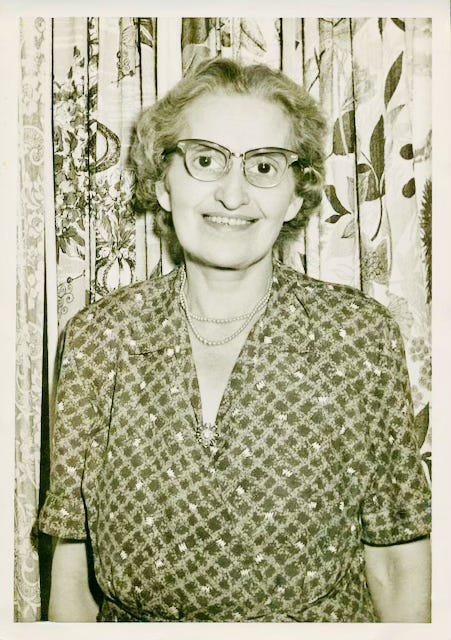
Helen Carnes was born in 1896, and she grew up on a farm where thrift wasn’t so much a virtue as a fact of life. It seemed like everything she made came from the earth because that was what the earth provided. She was kind and sweet — the kind of person whose cooking tasted like both those things. Nothing was wasted. Everything was used. In a time before anyone called it sustainable or intentional, Helen Carnes was simply paying attention.
Between them, these three people fed families through the Depression, through the war, through the ordinary, extraordinary Tuesdays that make up a life. And it wasn’t just them. It runs in this family like a current. Every generation cooks, every generation bakes, the way Clara and Jesse and Helen did. It’s not something anyone decided. It’s just what we do when we love people.
We also carry something older. A recipe that traces back five generations — Pennsylvania Dutch, German-American, the food of people who crossed an ocean and planted themselves in new soil and cooked what they remembered until it became something entirely their own. That recipe is in this collection, too. It has its own post, its own story, its own moment at the table.
And then there are the ones we lost.
On my father’s side — Scottish, Irish, English — the recipes are gone. My aunt told me they disappeared somewhere along the way, which is the quiet tragedy of so many family kitchens. My great-grandmother on that side made extraordinary birthday cakes and a lemon meringue pie that nobody has been able to recreate. I think about that sometimes. What it means to lose the instructions. What it means to carry the memory of something you can no longer make.
It’s part of why the boxes matter so much.
My Aunt Kathy and Uncle Eric handed them to me without ceremony, the way you pass along something that was always going to end up here. Clara’s handwriting. Jesse’s garden. Helen’s careful thrift. Five generations of Pennsylvania Dutch practicality. And the ghost of a lemon meringue pie that nobody wrote down.
This is where The Hearth begins.
Clara. Jesse. Helen.
This one is for them, and for everyone who fed us before we knew enough to ask how.
This Week’s Pulse: Ask
Before this newsletter existed, the most important thing I did was ask a simple question. Do you still have that?
Ask yours this week. Call your aunt. Text your uncle. You might be surprised what’s sitting in a closet in Wisconsin.
The Ledger Entry
Do you have a recipe box? A grandmother’s handwriting on an index card, a dish made from memory because no one ever wrote it down, or a recipe that disappeared before you thought to ask? Leave it in the comments. The Hearth is as much yours as it is mine — and the table is long enough for all of it.
It’s amazing how much the review of family touches you as you think back on your life growing up and living the years you have
How lucky we are to have some one do this research and take us back though our lifeline
Thank you